
A data scientist and a computational physicist.
We built the research firm we wish the healthcare system produced on its own — two data scientists applying the same complex-systems methodology behind Ternary Intelligence to the hardest medical cases.
Methodology, pointed at a harder problem.
Our founders have spent years applying quantitative methods to complex systems — in markets, in physics, in large-scale data science. The pattern across those fields is the same: data accumulates, specialists each see their slice, and no one is responsible for the integrated view.
When the same analytical frameworks were pointed at the care of rare and chronic disease, the gap became obvious. A patient accumulates records, labs, imaging, and specialist opinions across years. The information is all there. But nobody produces the synthesis.
The Ternary Method is the service we believe should already exist: a research-grade synthesis of the entire file, grounded in the current literature, delivered as a written plan a client can take into the exam room. Not diagnosis. Not treatment. A better map.
Three inputs. One integrated view.
The name comes from the three inputs we combine on every case: the data a client has accumulated across years of specialists, the research we pull from the medical and scientific literature, and the judgmentrequired to weigh both against the specifics of a single person’s situation.
None of the three is enough on its own. Data without context is noise. Literature without case-specific grounding is generic. Judgment without either is speculation. The work — and the name — sits at the intersection.
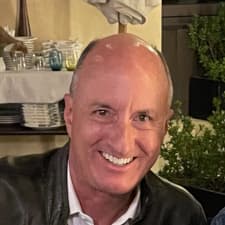
Data scientist. Beau is the architect of the Ternary Method and its nine-stage workflow. He leads client engagements, the controlled-vocabulary design behind the Case Library, and the evidence-grading discipline that produces the Ternary Method’s Evidence axis. His background spans systems thinking, quantitative analysis, and the synthesis of large, heterogeneous datasets.
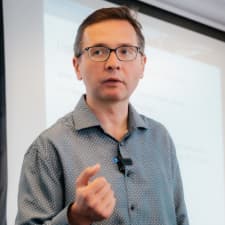
Computational physicist. Pavel built the complex-systems infrastructure behind Ternary Intelligence — market-instability detection and pattern-finding in high-dimensional data. He is responsible for the data architecture of Ternary Health’s five proprietary assets: the Case Library, Signal Dictionary, Evidence Matrix, Specialist Graph, and Outcomes Ledger.
Why two data scientists — and no clinical advisory board.
Ternary Health is, by design, not run by clinicians. There is no medical advisory board, no clinical team, no “our experts.” That isn’t a limitation — it’s the structure that makes the work rigorous.
Clinical practice answers the question “what should this patient do?” We answer a different one: “what does the literature actually support for this person’s specific profile, and where should it be discussed with the right physicians?” The deliverable belongs to you. You take it into appointments with your own doctors, who retain clinical authority and accountability.
This is why we publish prices, decline cases we can’t meaningfully advance, and refuse to fold into your care team. Independence from pharmaceutical companies, device makers, surgical centers, and specialist practices is not a side effect of the structure — it’s the structure.
A Ternary Intelligence company.
Ternary Intelligence is the parent brand — a research and data-intelligence firm focused on complex systems. Ternary Health applies the same mindset to one of the hardest classes of complex systems we know: a single person’s medical case, accumulated across years and fragmented across specialists.